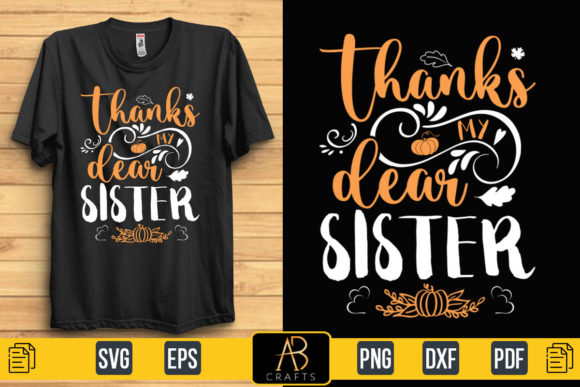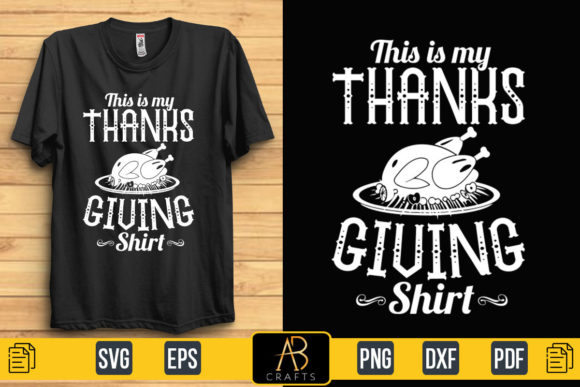
Reviewing This is My Thanks Giving Shirt Quote
As a designer who has spent countless hours digitizing and testing embroidery patterns, I approach every new Graphics asset with a critical eye. It is not enough for a design to look good on a screen; it must survive the needle, the thread, and the wash cycle. Recently, I evaluated This is My Thanks Giving Shirt Quote, a typography-based vector intended for print and digital use, to determine its viability for real-world embroidery projects. For Etsy sellers, craft business owners, and handmade shop proprietors, understanding the gap between a flat vector and a stitched finished product is crucial for maintaining professional standards.
First Impressions and Visual Personality
The initial appeal of This is My Thanks Giving Shirt Quote lies in its typographic structure. Typography designs are notoriously tricky in embroidery because they rely heavily on legibility and spacing. Upon reviewing the source files within the Print Templates category, the design presents a clean, festive mood suitable for the autumn season. The layout suggests a casual, welcoming vibe, which aligns perfectly with current trends in holiday apparel. However, as an experienced reviewer, I immediately noted that vector lines do not translate directly to stitches. The visual personality is strong, but the detail level requires careful assessment before committing to a machine embroidery design workflow.
For those looking to create a personalized gift or a boutique item, the aesthetic fits well with modern farmhouse styles or minimalist holiday decor. The design does not appear overly ornate, which is a positive sign for stitching clarity. Overly complex fonts often result in thread breaks or messy backsides, so the relative simplicity here is a promising start for both hobbyists and commercial embroiderers.
Real-World Application Scenarios
To truly test the potential of this asset, I imagined several practical scenarios where This is My Thanks Giving Shirt Quote would be applied. The most obvious candidate is sweatshirt embroidery. A crewneck sweatshirt provides a stable, thick fabric base that can handle the density of lettering without puckering. Imagine this quote stitched in warm orange or deep burgundy thread colors across the chest of a heather grey hoodie. The contrast would be striking, and the garment’s structure would support the text well.
Another viable option is a canvas tote bag design. Tote bags are staple items for craft fairs and small shop products. The sturdy cotton canvas offers an excellent surface for typography, allowing the stitches to sit prominently. However, one must consider the hoop size. If the quote is long, it may require a larger hoop or a split-hoop technique, which can leave marks on delicate fabrics. For a custom apparel line, this design could also work on aprons, adding a festive touch to kitchen wear during the holiday rush.
I also considered its use in baby embroidery projects, such as onesies or bibs. Here, caution is paramount. While the sentiment is family-friendly, the scale of the text must be reduced significantly. Small-scale typography risks losing legibility if the stitch count is too high for the tiny area. For a holiday embroidery gift, a pillow cover might be a safer bet than infant clothing, as it allows for a larger, more readable presentation of the quote.
Technical Challenges and Fabric Considerations
While the design is appealing, there are specific areas where This is My Thanks Giving Shirt Quote requires careful handling. Typography vectors often contain sharp corners and thin strokes. In embroidery, these translate to satin stitch or narrow fill stitch columns. If the original vector has very fine details, they may not survive the transition to thread. I advise checking the design in black and white mockups to identify potential weak points where threads might overlap excessively or leave gaps.
Fabric texture plays a massive role in the outcome. On textured fabrics like terry cloth or fleece, small letters can get lost in the pile. Conversely, on thin or stretchy fabrics, the tension from the embroidery can cause severe puckering. If you plan to use this on a t-shirt, a cut-away stabilizer is non-negotiable to maintain the integrity of the garment. For curved surfaces like caps or hats, the distortion risk is higher. The text must be arched correctly in the digitizing phase to appear straight when viewed on the curved brim or panel.
Additionally, consider the stitch density. Heavy typography can create a stiff patch on soft fabric. If the design feels too dense, it may be uncomfortable to wear against the skin. For embroidered patch applications, this is less of an issue, as patches are often backed with stiff material anyway. However, for direct-to-garment projects, balancing aesthetic impact with wearer comfort is key to customer satisfaction.
Enhancing Product Value and Brand Consistency
Using a well-executed typography design like This is My Thanks Giving Shirt Quote can significantly boost the perceived value of your handmade product. Customers associate clean, professional stitching with quality. When the text is crisp and the alignment is perfect, it builds trust. For an Etsy seller, this translates to better reviews and repeat business. The design serves as a versatile design asset that can be adapted for various commercial embroidery needs, from corporate holiday gifts to local boutique merchandise.
Consistency is vital for brand recognition. If this quote becomes part of your seasonal collection, ensure that the thread palette matches your existing brand colors. Using standard thread colors that complement the autumn theme—such as rust, olive, mustard, and cream—can create a cohesive look across different products. This attention to detail distinguishes a amateur craft from a professional small shop product.
Practical Notes for Designers and Makers
Before launching this design into production, there are several critical steps to take. First, always test the design on scrap fabric that matches your final product. This allows you to adjust tension and check for thread breaks. Second, verify the licensing terms. Since the source describes it as a vector for print and web, you must confirm if it includes rights for commercial embroidery sales. Never assume a digital embroidery file license covers all uses; explicit permission is required for selling finished items.
- Test on multiple fabric types to gauge puckering and legibility.
- Check contrast between thread and fabric, especially on dark materials.
- Use appropriate stabilizers: tear-away for stable woven fabrics, cut-away for knits.
- Inspect small details and corners for potential thread buildup.
- Confirm hoop size requirements to avoid re-hooping mid-design.
- Review stitch density to ensure comfort and durability.
In conclusion, This is My Thanks Giving Shirt Quote holds promise for festive embroidery project applications, provided it is handled with technical precision. By respecting the limitations of thread and fabric, and by prioritizing test runs, designers can transform this graphic element into a stunning, tangible product. Whether for a printable mockup preview or a physical custom apparel piece, the key lies in the execution. For makers willing to put in the preparatory work, this design can be a valuable addition to their holiday inventory.