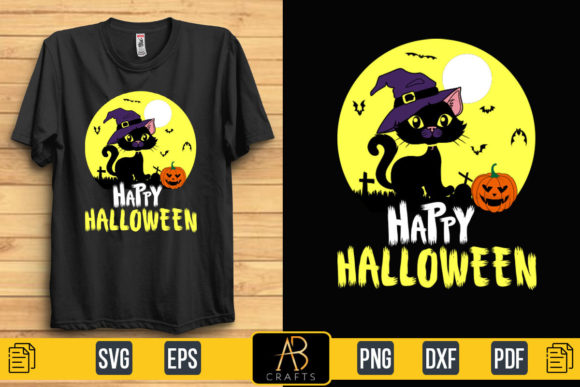
Reviewing the Happy Halloween Q Quote T-Shirt Design
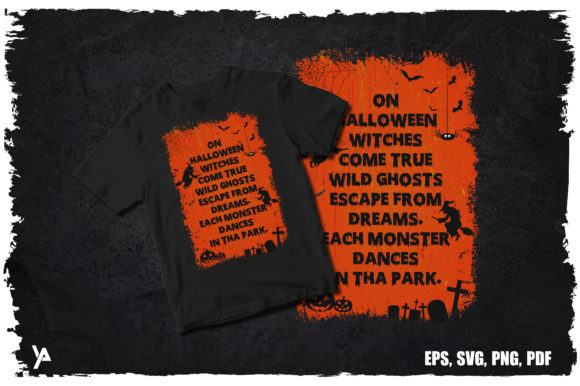
As an embroidery designer who has spent years digitizing for both high-volume commercial shops and small-scale handmade businesses, I approach every new machine embroidery design with a critical eye. It is not just about whether the image looks cute on a screen; it is about how those lines translate into thread, how they hold up on fabric, and whether they will actually sell. Recently, I evaluated the Happy Halloween Q Quote T Shirt Design, a typography-focused vector graphic intended for print templates and digital assets. While the product description highlights its utility for websites and TeeSpring stores, my focus was strictly on its potential as a physical embroidery project.
First Impressions: Mood and Visual Personality
The first thing that strikes you about this design is its typographic confidence. Halloween designs often fall into two traps: they are either overly cluttered with spooky imagery that becomes a nightmare to stitch, or they are so minimal that they lack impact. This design sits comfortably in the middle. The "Q Quote" aspect suggests a playful, perhaps slightly quirky textual arrangement that relies on font personality rather than complex shading. For an embroiderer, this is promising. Typography-based designs, when digitized correctly, offer a clean, modern aesthetic that appeals to a broad demographic, from teenagers looking for trendy sweatshirts to adults wanting subtle holiday decor.
The mood is festive but not terrifying. This makes the Happy Halloween Q Quote T Shirt Design versatile. It does not scream "horror movie," which limits its market. Instead, it whispers "autumn celebration." This distinction is crucial for Etsy sellers and craft business owners who want to create products that can be worn or displayed throughout the entire fall season, not just on October 31st.
Real-World Application: From Screen to Stitch
To truly test the viability of this design, I imagined applying it to a few common handmade product scenarios. Let us consider a custom embroidered tote bag. Tote bags are typically made of canvas or heavy cotton, which provides a stable base for embroidery. The bold lines of the typography would stand out beautifully against the textured weave of the fabric. Using a contrasting thread colors palette—perhaps orange on black, or cream on navy—would maximize readability.
Another strong candidate for this design is sweatshirt embroidery. Hoodies and crewnecks have become staples of the casual wear market. However, fleece and terry cloth present challenges. If the design relies heavily on fine details, the pile of the fabric can swallow the stitches. Since this is a quote-based design, the legibility of the letters is paramount. I would recommend using a cut-away stabilizer to prevent the fabric from puckering under the weight of the thread. The result would be a cozy, personalized piece of custom apparel that feels premium rather than mass-produced.
For those interested in creating an embroidered patch, this design could work well if scaled appropriately. Patches require dense stitching to ensure durability during washing and wear. If the original vector files allow for scaling without losing proportion, this could become a popular add-on item for jackets or backpacks.
Technical Considerations and Potential Pitfalls
While the aesthetic appeal is clear, there are technical hurdles to consider before loading this into your machine. The product description mentions it is a vector design for print, which means it is not inherently an embroidery file. You will need to digitize it yourself or purchase a pre-digitized version. If you are digitizing it, pay close attention to stitch density. Typography can easily become too dense if you use too many fill stitch layers, leading to a stiff, cardboard-like feel on the garment. Conversely, if you rely solely on running stitch outlines, the text may look sparse and unprofessional on darker fabrics where the background shows through.
I advise caution when using this design on stretchy fabrics like jersey knits for t-shirts. Without proper stabilization, the pull of the thread can distort the letters, making the quote unreadable. Additionally, if the design includes small decorative elements or intricate corners in the lettering, these may not survive repeated washing. Always test the design on scrap fabric first. Check how the fabric texture interacts with the stitch type. A satin stitch border around the letters might provide the necessary definition and durability, but it requires precise tension settings.
Curved surfaces, such as caps, also pose a challenge. The design needs to be warped or adjusted to fit the curvature of the cap panel. If the text is too long, it may wrap around the sides awkwardly. For baby embroidery items, ensure that the back of the stitching is soft and does not irritate sensitive skin. Using a soft backing or covering the back with a fusible interfacing can mitigate this issue.
Enhancing Product Value and Brand Consistency
From a business perspective, the Happy Halloween Q Quote T Shirt Design offers significant value if executed well. High-quality embroidery elevates a simple garment into a personalized gift or a boutique item. Customers perceive embroidered goods as higher quality than printed ones because of the tactile nature of the thread. This perception allows for higher pricing margins.
For small shop product lines, consistency is key. If this design fits your brand’s aesthetic—playful, modern, and seasonal—it can strengthen your brand identity. Use it across various items: pillow covers, kitchen towels, and even holiday embroidery themed wall hangings. Creating a cohesive collection around this design can increase buyer engagement and encourage multiple purchases.
When listing these items online, high-quality photos are essential. Use printable mockup tools to visualize the design on different products, but always supplement these with real photos of the stitched item. Show the texture of the thread and the clarity of the stitches. This builds trust with potential buyers who want to know exactly what they are getting.
Practical Notes for the Embroidery Designer
Before you commit to producing a large batch of items using this design, take these practical steps:
- Verify Licensing: The product description mentions it is for websites and TeeSpring, but always confirm if the license extends to physical embroidered goods sold commercially. Ensure you have the right to use the design for commercial embroidery projects.
- Check File Formats: Since the source is described as a vector for print, ensure you have access to a compatible digital embroidery file format (such as PES, DST, or EXP) for your specific machine. If you are digitizing it yourself, start with a clean vector path.
- Test Contrast: Create test stitches on both light and dark fabrics. Black thread on black fabric will disappear, while white thread on white fabric may lack definition. Choose thread colors that pop.
- Inspect Small Details: Zoom in on the digitized file. Are there any unnecessary jump stitches? Are the tie-ins secure? Clean up the file to reduce thread waste and production time.
- Consider Hoop Size: Ensure the design fits within your standard hoop sizes. If it is too large, you may need to split the design or use a larger hoop, which can limit the types of garments you can embroider.
In conclusion, the Happy Halloween Q Quote T Shirt Design has strong potential for craft business owners and hobbyists alike. It bridges the gap between trendy graphic design and tangible textile art. By paying attention to digitization quality, fabric choice, and stabilization, you can transform this graphic into a standout finished product that delights customers and enhances your portfolio. Whether you are creating design assets for digital sale or stitching physical goods for your local craft fair, this design offers a solid foundation for creative expression.