Reviewing the Don’t Afraid Gym T-Shirt Design
As an embroidery designer who has spent countless hours digitizing, testing, and stitching out thousands of patterns, I approach every new machine embroidery design with a critical eye. It is not just about whether the artwork looks good on a screen; it is about how it translates to thread, how it behaves on fabric, and ultimately, how it performs in the hands of a customer or client. Recently, I evaluated the Don t Afraid Gym T Shirt Design, a piece listed under Print Templates and Graphics. While the source material originates as a graphic asset, its bold aesthetic begs the question: can this translate effectively into a high-quality embroidered product? Here is my practical assessment for fellow crafters, Etsy sellers, and apparel decorators.
First Impressions and Visual Personality
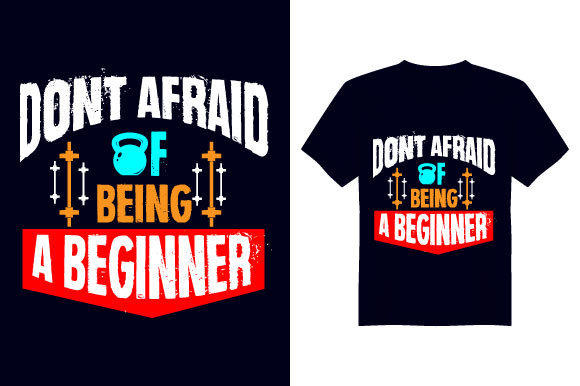
The first thing that strikes you about the Don t Afraid Gym T Shirt Design is its attitude. The typography and layout suggest a mood of resilience, strength, and perhaps a touch of humorous defiance. In the world of gym wear, designs need to communicate energy without being overly aggressive. This design hits a sweet spot of motivational grit. Visually, the shapes appear robust, which is a promising sign for embroidery. Delicate, wispy lines often get lost in stitching, but the solid forms here suggest that the design could hold up well when converted into satin stitches or fill stitches.
For a designer, the "visual personality" of a pattern dictates its market fit. This particular design feels at home on performance wear, casual hoodies, and gym bags. It does not scream "delicate nursery decor," nor does it feel like a formal wedding gift. Instead, it belongs to the active lifestyle niche. When I imagine this stitched out, I see it working best with high-contrast thread colors—think bright neon greens or electric blues against black fabric, or crisp white on navy. The boldness of the graphic ensures that the message remains legible even from a distance, a crucial factor for gym apparel.
Real-World Application: From Screen to Stitch
Let us move beyond theory and discuss how this design performs in real-life embroidery situations. I recently considered a project for a local fitness coach who wanted branded merchandise for his clients. He needed something durable that could withstand frequent washing and intense movement. The Don t Afraid Gym T Shirt Design became a top contender for this custom apparel project.
If you are an Etsy seller or run a small shop product line, versatility is key. This design could easily be adapted for a variety of items. Imagine it stitched onto a heavy cotton tote bag design for gym goers who carry their gear in style. Or consider it as a chest logo on a premium sweatshirt embroidery piece. The scale of the design allows it to be prominent without overwhelming the garment. For those creating embroidered patch products, this design’s clear boundaries would make for a clean, professional-looking applique or standard patch that customers can iron onto their existing jackets or bags.
However, context matters. While the design is strong, it may not suit every substrate. On a thin, stretchy performance tee, a dense fill stitch could cause puckering if not properly stabilized. In such cases, I would recommend using a cut-away stabilizer to support the fabric and prevent distortion. For textured fabrics like terry cloth towels or fleece, the design’s bold lines would stand out beautifully, masking any minor inconsistencies in the fabric weave.
Navigating Technical Challenges
No design is without its quirks, and experienced makers know that preparation is half the battle. When working with the Don t Afraid Gym T Shirt Design, there are specific areas where caution is required. If you plan to use this on curved surfaces, such as caps or hats, you must be mindful of the hoop size and the design’s width. Large, wide designs can distort on the curved panel of a baseball cap. I advise breaking the design into smaller elements if possible, or ensuring your digitizing software has optimized the pull compensation for curved stitching.
Another consideration is stitch density. Since this originates as a graphic in the Print Templates category, it may not come pre-digitized with optimal stitch counts for embroidery. If you are converting this graphic yourself, pay close attention to the small details. Tiny lettering or intricate corners can become tangled nests of thread if the stitch length is too short. I always recommend running a test on scrap fabric first. Check the tension, inspect the back of the stitching for excessive buildup, and ensure that the thread colors you have chosen provide enough contrast against the fabric texture.
Dark fabrics present another challenge. If you are stitching this on black or navy, you might need an underlay stitch or a white base layer to make the top colors pop. Without this step, vibrant colors can look dull or muted against dark backgrounds. Always test your design in both light and dark mockups to gauge its visual impact before committing to final production.
Enhancing Product Value and Brand Consistency
Why does the choice of design matter so much? Because it directly affects perceived value. A well-executed embroidery job signals quality. When a customer receives a personalized gift or a piece of commercial embroidery work that looks professional, it builds trust in your brand. The Don t Afraid Gym T Shirt Design, with its confident aesthetic, can elevate a simple t-shirt into a statement piece. This increases the likelihood of repeat business and positive reviews.
For creative entrepreneurs and digital product sellers, consistency is vital. If your brand focuses on fitness, motivation, or active lifestyles, this design aligns perfectly with that narrative. It reinforces your brand identity. However, if your shop specializes in delicate baby clothes or vintage florals, this design would feel out of place. Knowing where a design fits helps you curate a cohesive collection that resonates with your target audience.
Practical Notes for the Modern Maker
Before you load this design into your machine, here are a few final tips to ensure success. First, verify the file formats. Since the product is listed under Graphics, ensure you have the correct digital embroidery file format compatible with your machine (such as PES, DST, or JEF). If the listing only provides vector or raster images, you will need to digitize it yourself or hire a professional digitizer.
- Check Licensing: Always confirm the license terms before selling finished items. Some designers allow commercial use for physical products but restrict the resale of the digital file itself.
- Test Stitch Density: Run a sample on similar fabric to your final product. Adjust density if the fabric puckers or the thread breaks.
- Contrast is Key: Use high-contrast thread colors to maximize readability, especially for gym environments where lighting varies.
- Stabilizer Selection: Match your stabilizer to your fabric. Cut-away for knits, tear-away for wovens.
In conclusion, the Don t Afraid Gym T Shirt Design offers a compelling option for those looking to add edge and motivation to their embroidery portfolio. It is not just a graphic; it is a potential cornerstone for a line of durable, stylish, and meaningful handmade products. With careful attention to technical details and a clear understanding of its ideal applications, this design can help you create standout pieces that customers will love to wear and use. Whether you are crafting a holiday embroidery gift for a fitness enthusiast or stocking your online store with fresh inventory, this design deserves a spot in your creative toolkit.