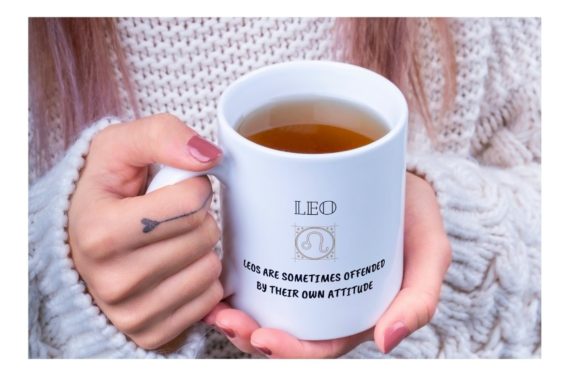
Leo Quote: A Designer’s Practical Review for Embroidery
As an embroidery designer who spends more time staring at stitch simulations than I do sleeping, I have learned to be skeptical of trendy Graphics and Print Templates. We see thousands of files pass through our software every month, but only a few survive the transition from screen to fabric. Recently, I pulled Leo Quote into my workspace to evaluate its potential for real-world application. This was not just a visual check; it was a stress test for usability in a commercial craft environment.
The first impression of Leo Quote is one of versatile minimalism. In an industry often cluttered with overly complex motifs that demand high thread counts and expensive stabilizers, this design offers a refreshing breath of air. It presents itself with a clean, confident layout that relies on strong typography and balanced spacing rather than excessive decorative fill. For those of us running small shops or managing Etsy listings, this simplicity is not a lack of effort—it is a strategic advantage. It means faster hoop-up times, fewer thread breaks, and a finished product that looks professional rather than homemade.
Visual Personality and First Impressions
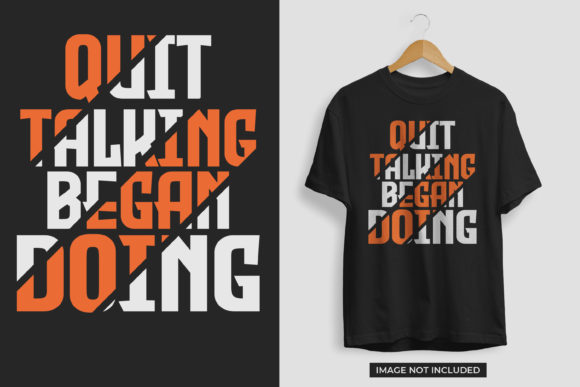
When I opened the file, the immediate mood was modern and adaptable. The design does not scream for attention; instead, it invites it. This is crucial for custom apparel where the wearer wants to express a sentiment without wearing a billboard. The availability in both black and white options allows for immediate visualization against various fabric textures. I appreciated that the lines appeared crisp in the preview, suggesting that the underlying vector data in the high resolution SVG files is clean. For a designer, clean paths mean predictable stitching. There are no stray nodes or ambiguous corners that typically cause machines to hesitate or create messy jumps.
The aesthetic of Leo Quote fits naturally into the current trend of understated elegance. It feels at home on a neutral-toned tote bag design or as a subtle accent on a high-quality cotton sweatshirt. It avoids the trap of looking too digital, which is a common pitfall when converting print-ready graphics into embroidery. Instead, it retains a human touch, making it ideal for personalized gift markets where emotional connection drives sales.
Real-World Application: The Sweatshirt Test
To truly understand the value of any machine embroidery design, you must imagine it on a difficult substrate. I visualized Leo Quote on a heavyweight, fleece-lined sweatshirt. This is a popular item for boutique brands, but it poses challenges due to the pile of the fabric and the stretch of the knit. Because the design appears to rely on clear, open shapes rather than dense, solid blocks of color, it should perform well here. Dense designs on fleece can cause puckering, but a design with the visual weight of Leo Quote likely allows the fabric to breathe.
I also considered its use on a canvas tote bag. Here, the contrast is key. If using the black version on natural canvas, the readability is instant. For a small shop product, this clarity reduces customer hesitation. They know exactly what they are buying. Furthermore, because the design is available as PNG files with transparent background, creating printable mockup assets for your online store becomes effortless. You can overlay the design on various product photos without spending hours in Photoshop removing white boxes, streamlining your workflow significantly.
Navigating Technical Constraints
While Leo Quote is robust, no design is universal without careful planning. As an experienced reviewer, I must highlight where caution is needed. If you are working with a small hoop size, such as a 4x4 inch frame, you must verify the dimensions of the quote. Compressing text-based designs into tiny spaces can render letters illegible, turning a beautiful message into a blurry mess. Always check the scale before hitting "start."
Additionally, consider the fabric texture. On loosely woven linen or thin jersey, even a moderate stitch density can cause distortion. I recommend using a cut-away stabilizer for knits and a tear-away for wovens to support the stitches properly. If you are attempting this on a curved surface like a cap, ensure your digitizing software has adjusted the pull compensation, or be prepared to tweak the tension manually. The sharp corners often found in typographic designs can snag if the needle penetration is too aggressive, so a slower speed during testing is wise.
Another critical area is color contrast. While the black and white options are classic, embroidery lives and dies by thread choice. If you choose to customize the thread colors, ensure there is enough difference between the thread and the fabric. A low-contrast combination might look sophisticated in a digital embroidery file preview but disappear entirely in natural light. Test your combinations on scrap fabric before committing to the final finished product.
Commercial Viability and Brand Consistency
For the Etsy seller or the owner of a craft business, consistency is currency. Leo Quote offers a level of professionalism that builds buyer trust. When a customer receives a holiday embroidery gift or a baby embroidery item that looks crisp and well-executed, they are more likely to return. This design supports that reliability. It is not so trendy that it will look dated in six months, nor is it so generic that it lacks character. It sits comfortably in the "modern classic" category, which is a safe and profitable zone for commercial embroidery.
Moreover, the versatility of the file formats adds value. The inclusion of SVG files means that if you also offer printed goods like mugs or posters, you can use the same asset across multiple product lines. This cross-platform compatibility is a huge time-saver for creative entrepreneurs who manage both physical and digital inventory. It allows for cohesive branding across your entire design assets library.
Practical Notes for the Embroiderer
Before you integrate Leo Quote into your production line, follow these practical steps:
- Test on Scrap: Never skip the test stitch. Use the same fabric and stabilizer combination you plan to use for the final sale.
- Check Licensing: While the description suggests suitability for gifts and products, always confirm the specific license terms for commercial embroidery usage to protect your business.
- Inspect Details: Zoom in on the vector file. Look for any overlapping paths that might cause double stitching, which can weaken the fabric.
- Mockup Variations: Use the transparent PNGs to create mockups on both light and dark backgrounds to ensure legibility in all scenarios.
- Stabilizer Selection: Match your stabilizer to the fabric weight. A heavy design on a light fabric requires robust support to prevent puckering.
In conclusion, Leo Quote is a solid addition to any designer’s toolkit. It respects the limitations of the embroidery machine while maximizing visual impact. It is not just a graphic; it is a functional tool for creating meaningful, sellable products. Whether you are making a single personalized gift or stocking your small shop product lineup, this design offers the balance of style and practicality that serious makers demand.