Reviewing the Scuba Diving Sublimation Quote for Embroidery
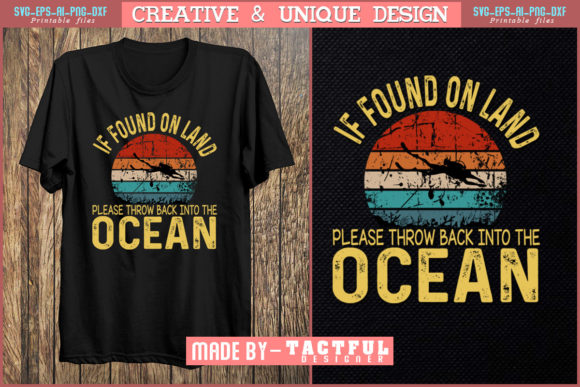
As a designer who spends half my life digitizing and the other half stitching, I have learned that not every graphic translates beautifully to thread. We often see trends in Print Templates and Graphics that look stunning on a screen but fail under the needle. Today, I am taking a close, practical look at the About Scuba Diving Sublimation Quote, specifically the popular phrase: "If Found On Land Please Throw Back Into The Ocean." This typography-based design is marketed primarily as a vector for sublimation and cutting machines, but I wanted to evaluate its potential for real-world embroidery projects.
First Impressions: Mood and Visual Personality
The first thing that strikes me about this design is its playful, laid-back personality. It captures the essence of the scuba diving community—humorous, slightly self-deprecating, and deeply connected to the water. The layout is typically horizontal, relying on strong typographic hierarchy rather than complex illustrations. For an embroidery designer, this is both a blessing and a challenge. There are no intricate gradients or photo-realistic details to worry about, which simplifies the digitizing process. However, typography requires precision. The mood is casual and fun, making it an ideal candidate for leisurewear, beach bags, and vacation-themed gifts.
When I visualize this machine embroidery design on a finished product, I see it working best on items that embrace a relaxed aesthetic. It does not scream "corporate branding" or "formal wear." Instead, it feels right at home on a worn-in cotton tee or a canvas tote. The visual appeal lies in its readability and the immediate connection it makes with anyone who loves the ocean. If you are an Etsy seller or run a craft business, this kind of instant recognition is valuable. It stops the scroll because the message is clear and relatable.
Real-World Application: From Screen to Stitch
Let us imagine a specific scenario. A client comes to me wanting a custom gift for her husband, an avid diver who is retiring next month. She wants something he can wear on boat trips. I consider using the About Scuba Diving Sublimation Quote as the basis for a sweatshirt embroidery project. Because the original file is a vector (SVG, EPS, AI), I can easily import it into my digitizing software. This is a crucial step. You cannot simply auto-digitize a complex font and expect professional results. I would need to manually assign stitch types, ensuring that the curves of the letters flow smoothly.
For a sweatshirt, I would likely choose a fill stitch for the larger letters to give them body and texture, while using a satin stitch for smaller words or outlines to keep the definition crisp. The contrast between the thread and the fabric is key here. If I use a navy blue sweatshirt, bright white or turquoise thread would pop beautifully. This design also works wonderfully for a tote bag design. Canvas fabric holds embroidery well, and the sturdy nature of the bag complements the bold statement of the quote. It becomes a functional handmade product that serves as both a utility item and a conversation starter.
Another excellent application is the embroidered patch. Patches are trending heavily in the small shop product market. By digitizing this quote into an oval or rectangular border, you create a versatile asset. Customers can iron it onto jackets, hats, or backpacks. This expands the utility of the digital embroidery file beyond just direct-to-garment stitching. It allows for batch production, which is essential for scaling a commercial embroidery operation.
Technical Considerations and Potential Pitfalls
While the concept is strong, we must address the technical realities of stitching text. The phrase "If Found On Land Please Throw Back Into The Ocean" is long. In embroidery, length equals time and thread consumption. If you attempt to stitch this entire phrase in a small hoop size, such as a 4x4 inch hoop, the text will become too small to read. Tiny lettering is the enemy of clean embroidery. The stitches may merge, creating a blob of thread rather than legible words. Therefore, I recommend using a larger hoop, such as 5x7 or 6x10, to maintain clarity.
Fabric choice is another critical factor. This design performs poorly on highly textured fabrics like terry cloth or loose-knit sweaters unless you use a significant amount of stabilizer. The tiny serifs or ends of letters can get lost in the pile of the fabric. Similarly, avoid using this on stretchy performance fabrics common in swimwear unless you are an experienced digitizer who knows how to compensate for pull. The tension from the satin stitch can cause the fabric to pucker, ruining the sleek look of the typography.
Dark fabrics present another challenge. If you are stitching white thread on black fabric, any gap between stitches will show the background, breaking the illusion of solid lettering. You may need to increase the stitch density or add an underlay to ensure full coverage. Always test the design on scrap fabric first. Check the thread color contrast and inspect small details before committing to the final garment. A running stitch outline might help define edges on dark materials, but it adds complexity to the digitizing process.
Enhancing Product Value and Customer Trust
Why go through the trouble of embroidering this instead of just printing it? Embroidery adds tactile value. It signals quality and permanence. A printed t-shirt might crack after ten washes, but a well-stitched custom apparel piece lasts for years. This durability enhances customer trust. When buyers see raised, textured thread, they perceive the item as premium. For personalized gift occasions, such as birthdays or holidays, this perceived value allows you to charge a higher price point.
Furthermore, embroidery offers a unique aesthetic that sublimation cannot replicate. The shine of rayon or polyester thread catches the light, adding dimension to the design. This visual depth makes the finished product stand out in photos, which is vital for online listings. Whether you are creating holiday embroidery gifts or summer beachwear, the tactile nature of thread engages the senses. It transforms a simple quote into a piece of wearable art.
Practical Notes for Designers and Makers
If you plan to use the About Scuba Diving Sublimation Quote for your next embroidery project, keep these practical tips in mind:
- Digitize Manually: Do not rely on auto-digitizing for text. Manually set your angles and densities to ensure smooth curves and sharp corners.
- Check Licensing: The product description mentions it is ready for print and cutting, but always confirm if the license covers commercial embroidery sales. Intellectual property rights vary by creator.
- Test on Various Fabrics: See how the design behaves on cotton, polyester, and blends. Adjust your stabilizer usage accordingly.
- Consider Splitting the Text: If the phrase is too long for your hoop, consider splitting it into two lines or two separate designs placed strategically on the garment.
- Mockup in Black and White: Before stitching, view your digitized file in monochrome. This helps you spot density issues and spacing errors without the distraction of color.
In conclusion, the About Scuba Diving Sublimation Quote is a versatile and engaging design that, when handled with care, translates well into embroidery. It requires thoughtful digitizing and appropriate fabric selection, but the result is a high-value, durable, and visually appealing product. For design assets libraries, it is a worthwhile addition, provided you respect the technical limitations of stitching typography. Whether for a baby embroidery onesie (perhaps a shorter version) or a rugged diver’s jacket, this design has the charm and flexibility to succeed in the handmade market.