Reviewing the Fishing Tshirt Design for Real Embroidery Use
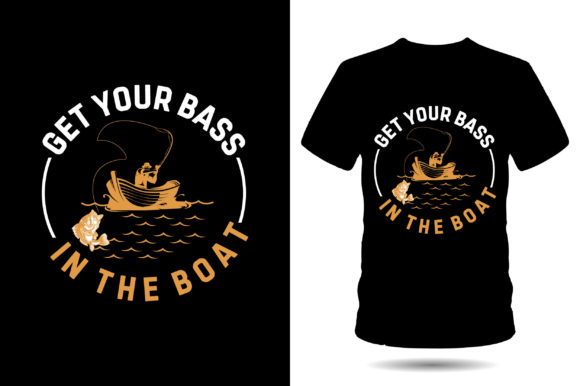
As a designer who spends more time staring at stitch simulations than actual fabric, I have learned that not every Graphics file translates well into thread. We often browse marketplaces looking for the next big seller, scrolling past hundreds of generic icons until something catches our eye. Recently, I stopped to evaluate the Fishing Tshirt Design. At first glance, it presents itself as a straightforward digital asset for apparel, but my job is to look deeper. I need to know how this design behaves when the needle hits the fabric. Does it hold up under the tension of a hoop? Does it appeal to the end customer, or does it look like a rushed afterthought? This review breaks down the practical application of this design from the perspective of someone who actually stitches these files for clients and personal projects.
First Impressions and Visual Personality
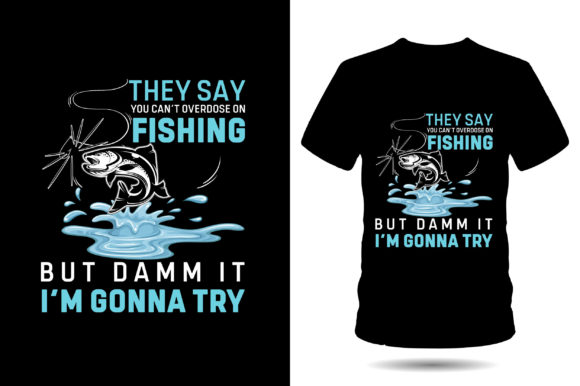
The initial mood of the Fishing Tshirt Design is casual and inviting. It does not try to be overly complex or hyper-realistic, which is often a trap for beginner embroidery files. Instead, it leans into a graphic style that works well for modern T-Shirt Designs. The layout appears balanced, suggesting a central focal point that would sit comfortably on the chest of a tee or the front of a tote. For an embroidery designer, this simplicity is a double-edged sword. It means fewer potential thread breaks and faster run times, but it also demands perfect execution. There is nowhere for poor digitizing to hide. The visual personality suggests outdoorsmanship, leisure, and a love for the water, making it an ideal candidate for personalized gifts for dads, grandfathers, or fishing enthusiasts.
Real-World Application: From Screen to Stitch
To truly test the viability of this design, I imagined a specific real-life scenario. A local boutique owner approached me to create a small batch of custom apparel for a summer lakeside event. She needed something that looked professional yet approachable. I considered using the Fishing Tshirt Design on a heavyweight cotton sweatshirt. In this context, the design’s structure becomes critical. If the lines are too thin, they might get lost in the pile of the fleece. If the fill areas are too dense, the garment will pucker and feel stiff against the skin.
When adapting this concept for a machine embroidery design, one must consider the substrate. On a smooth cotton t-shirt, the design would likely require a cut-away stabilizer to prevent distortion during wear and washing. For a textured fabric like a waffle-knit thermal or a rugged canvas tote bag design, the stitch types need adjustment. A satin stitch might look crisp on the bag, but on the thermal, a running stitch or a slightly wider zigzag might integrate better with the fabric’s texture. This is where the difference between a raw graphic and a true embroidery file becomes apparent. A graphic is just pixels; an embroidery file is a map of physical movements.
Versatility Across Product Lines
Beyond the standard t-shirt, this design has potential across various handmade product categories. Imagine it scaled down for a baby embroidery project on a onesie. Here, the detail level must be scrutinized. Tiny details can become tangled nests of thread on small hoops. If the Fishing Tshirt Design includes fine text or intricate scales, it may need simplification for infant garments. Conversely, scaling it up for a large embroidered patch allows for more creative freedom. You could introduce varied thread colors to add depth, using a fill stitch for the water elements and a satin border for definition.
For Etsy sellers and craft business owners, versatility equals profit. This design could work on aprons for a lakeside cabin rental, pillow covers for a rustic lodge, or even as part of a larger collage on a denim jacket. The key is understanding how the design interacts with the item’s function. A kitchen towel needs a design that withstands frequent washing without fraying, while a holiday gift item might prioritize aesthetic impact over durability.
Technical Considerations and Potential Pitfalls
While the aesthetic is strong, there are areas where caution is necessary. Any experienced decorator knows that curved surfaces, such as caps, present unique challenges. If you plan to use this design for sweatshirt embroidery or hats, you must check the hoop size compatibility. A design that looks great flat might distort when wrapped around a cap’s curvature. Additionally, dark fabrics require careful planning. If the design relies on light-colored threads, you must ensure adequate coverage to prevent the background fabric from showing through. This often means adding an underlay or choosing a high-quality rayon or polyester thread with good opacity.
Another critical factor is stitch density. If the digital file is too dense, it will perforate lightweight fabrics, leaving permanent holes. If it is too sparse, the fabric may show through the stitches, looking cheap and unfinished. Before committing to a final finished product, always test the design on scrap fabric identical to your final material. This step is non-negotiable for professional results. Check the tension, inspect the back of the hoop for excessive bobbin thread, and ensure the stabilizer is doing its job.
Enhancing Visual Appeal and Brand Consistency
The success of any commercial embroidery project relies on perceived value. A well-executed Fishing Tshirt Design enhances brand consistency for shops specializing in outdoor gear. It signals attention to detail. When customers see clean lines, proper color transitions, and no loose threads, their trust in your small shop product increases. This design, when properly digitized and stitched, can serve as a strong design asset in your portfolio. It can be used in printable mockup previews to attract online buyers, giving them a realistic expectation of the final item.
However, be mindful of licensing. The product description mentions buying digital files for yourself, friends, and family. It is crucial to confirm whether the license extends to commercial use. Many designers offer separate licenses for personal and commercial applications. Selling finished items made with a personal-use-only file can lead to legal issues. Always read the terms provided by the creator in the T-Shirt Designs store before listing your items on Etsy or other platforms.
Practical Designer Notes for Best Results
To get the most out of this digital embroidery file, follow these practical steps:
- Test on Scrap Fabric: Never stitch directly on your final garment. Use a similar weight and weave to check for puckering or thread breaks.
- Check Thread Contrast: Ensure your chosen thread colors stand out against the fabric. High contrast usually reads better from a distance.
- Review Stitch Density: If the design feels stiff, reduce the density in your editing software if possible, or choose a lighter stabilizer.
- Confirm Hoop Size: Make sure the design fits within your machine’s maximum hoop area, especially if you plan to scale it up.
- Inspect Small Details: Zoom in on the digitizing preview. Look for unnecessary jumps or trims that could slow down production.
- Mockup in Black and White: This helps you see the value and shape of the design without the distraction of color, ensuring the form is solid.
- Compare Backgrounds: Visualize the design on both light and dark fabrics to determine if you need different thread palettes for each.
- Use Proper Stabilizer: Match the stabilizer to the fabric. Cut-away for knits, tear-away for woven stable fabrics.
- Verify Licensing: Confirm if the file allows for commercial sales of finished goods or if it is for personal use only.
In conclusion, the Fishing Tshirt Design offers a solid foundation for various embroidery projects. Its strength lies in its thematic clarity and potential for customization. However, its success depends entirely on the skill of the operator and the quality of the digitizing. By treating it as a flexible component rather than a rigid template, you can create high-value personalized gifts and profitable custom apparel that resonate with customers. Whether you are a hobbyist making a gift for a friend or an Etsy seller building a brand, taking the time to understand the technical nuances of this design will elevate your final output from amateur to professional.