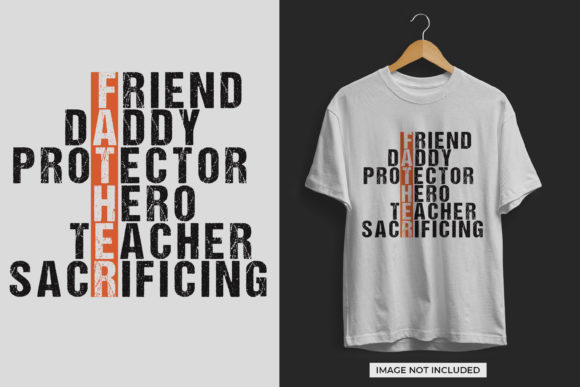
Reviewing the Fathers Day T-Shirt Design Vector File
As a designer who has spent countless hours digitizing artwork and troubleshooting stitch-outs on various machines, I approach every new Fathers Day T-Shirt Design Vector File with a mix of curiosity and caution. We have all been there: you find a graphic that looks perfect on screen, only to realize it turns into a tangled mess of thread once it hits the fabric. Today, I am breaking down this specific design from the perspective of someone who needs it to work in the real world, not just in a digital mockup.
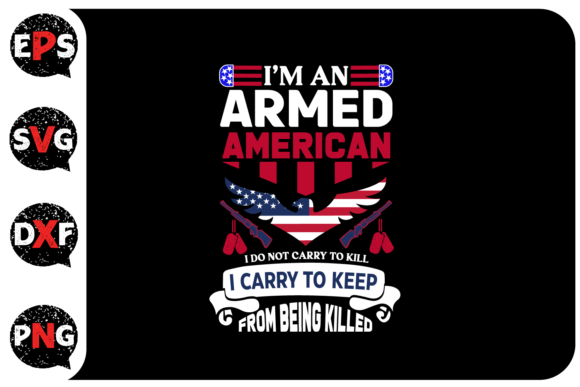
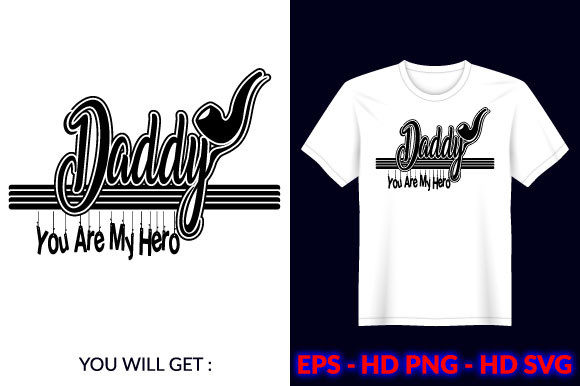
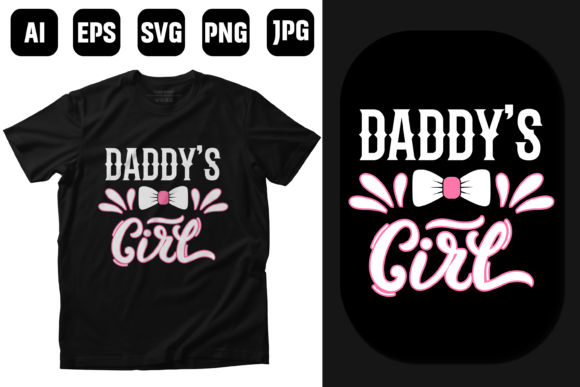
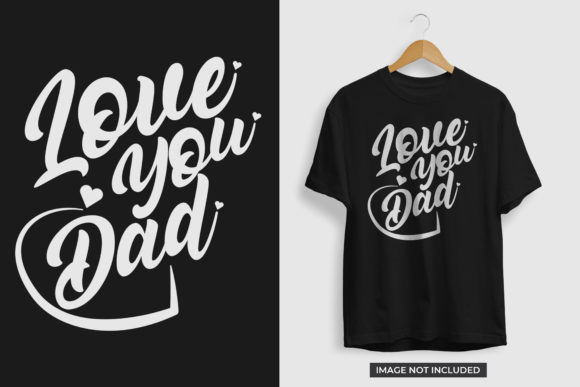
The first thing that strikes me about this Print Templates asset is its versatility. While it is marketed broadly for scrapbooking, vinyl decals, and printable decorations, my immediate focus is on how it translates to embroidery. The visual personality of the design suggests a blend of modern simplicity and heartfelt sentiment, which is exactly what sells during the holiday season. It does not scream for attention with overly complex details; instead, it relies on strong shapes and clear typography. This is crucial for embroidery, where fine details can easily get lost in the texture of the fabric.
First Impressions and Visual Mood
When I opened the file, the clean lines stood out immediately. For an embroidery project, clarity is king. The layout feels balanced, avoiding the common pitfall of having elements that are too close together, which can cause puckering or thread breaks. The mood is warm and celebratory, fitting perfectly for custom apparel intended as a personalized gift. Whether you are creating a boutique product for a small shop or a one-off item for a family member, the design carries a professional weight that elevates the perceived value of the finished product.
However, because this is a vector template within the Graphics category, it is essential to understand that it is not yet a machine embroidery design. This distinction matters. You will need to digitize it or convert it using reliable software. The good news is that the source material is high-quality, meaning the conversion process should be straightforward if you know what to look for in terms of stitch density and pathing.
Real-World Application: The Sweatshirt Test
To truly evaluate the potential of this Fathers Day T-Shirt Design Vector File, I imagined a specific real-life scenario. Picture a customer ordering a custom sweatshirt for their dad. They want something stylish, not cheesy. I placed the design mentally on a heather grey crewneck. The boldness of the vector shapes would hold up well against the textured surface of fleece or cotton blend fabrics.
In this context, the design works beautifully as a chest-left logo or a larger back print. If I were stitching this, I would likely use a combination of satin stitch for the borders and fill stitch for any larger solid areas. The key here is managing the stitch density. If the design has large solid blocks, reducing the density prevents the garment from becoming stiff and board-like. A stiff sweatshirt is uncomfortable, and uncomfortable gifts end up in the back of the closet. By adjusting the underlay and using a soft cut-away stabilizer, the embroidery remains flexible and durable.
Versatility Across Products
Beyond sweatshirts, this design shines in several other applications. Consider a tote bag design for a dad who loves gardening or DIY projects. The vector nature allows you to scale it without losing quality, making it easy to adapt for different hoop sizes. For a baby embroidery project, such as a onesie for a "Grandpa's Little Helper," you would need to scale it down significantly. This is where you must be careful. Tiny lettering can become illegible if the stitches are too thick. In such cases, switching to a running stitch for finer details or simplifying the design elements might be necessary to maintain clarity.
For Etsy sellers and craft business owners, this versatility is a major selling point. You can offer the same design on caps, aprons, pillow covers, and tea towels. Each item requires a slightly different approach. For example, on a curved surface like a cap, you must account for the distortion. Testing the design on a similar curved scrap piece is non-negotiable. On flat items like kitchen towels, a light tear-away stabilizer might suffice, but for stretchy fabrics like t-shirts, a cut-away stabilizer is essential to prevent the design from warping after washing.
Technical Considerations for Embroiderers
Let us talk about the technical side. Since this is a vector file, you have control over the final output. However, with that control comes responsibility. Here are my practical notes for anyone planning to use this Fathers Day T-Shirt Design Vector File in a commercial embroidery project:
- Test on Scrap Fabric: Never stitch directly on your final garment. Always run a test on the same type of fabric to check for puckering or thread breaks.
- Thread Color Contrast: The design’s impact relies heavily on color choice. Test it in black and white mockups first to ensure the shapes are distinct. High contrast between thread colors and fabric texture enhances visibility.
- Stitch Density: If you are digitizing this yourself, pay close attention to stitch density. Too dense, and you risk needle heat and thread snapping. Too sparse, and the fabric shows through, looking unfinished.
- Hoop Size: Confirm the hoop size required for your intended placement. Ensure the design fits comfortably within your machine’s maximum hoop area without needing to re-hoop, which can lead to alignment issues.
- Small Details: Inspect any tiny corners or intricate parts. In embroidery, sharp corners often need to be slightly rounded to prevent thread buildup and ensure a clean exit point for the needle.
Additionally, consider the washing instructions. Items like aprons and tea towels undergo frequent laundering. Using high-quality polyester thread ensures colorfastness and durability. A poorly digitized design will unravel or look frayed after just a few washes, damaging your reputation as a seller.
Commercial Viability and Brand Consistency
For small business owners and handmade shop owners, consistency is key. This design fits well into a broader collection of holiday embroidery assets. It allows you to create a cohesive line of products for Father’s Day, boosting buyer engagement through recognizable branding. When customers see a well-executed embroidered patch or a neatly stitched tote bag, it builds trust. They perceive the item as high-quality and worth the price.
However, before you list these items on Etsy or your own website, you must confirm the licensing terms. Just because you have the vector file does not automatically grant you the right to sell finished products or digital embroidery files derived from it. Check the license included with the Print Templates package. Some licenses allow for personal use only, while others permit commercial use up to a certain number of units. Ignoring this can lead to serious legal issues down the line.
Final Verdict
The Fathers Day T-Shirt Design Vector File is a strong contender for your spring and summer production schedule. Its clean aesthetic and adaptable layout make it suitable for a wide range of embroidery projects, from simple baby clothes to sophisticated custom apparel. It is not just a graphic; it is a foundation for creating meaningful, tangible products.
My advice is to treat it as a starting point. Experiment with different thread colors, test various stabilizers, and refine the digitizing settings to match your specific machine and fabric choices. When done correctly, this design can become a staple in your portfolio, driving sales and delighting customers who are looking for that perfect, personalized gift. Remember, the difference between a good product and a great one often lies in the details of the stitch-out. Take the time to get it right, and the results will speak for themselves.