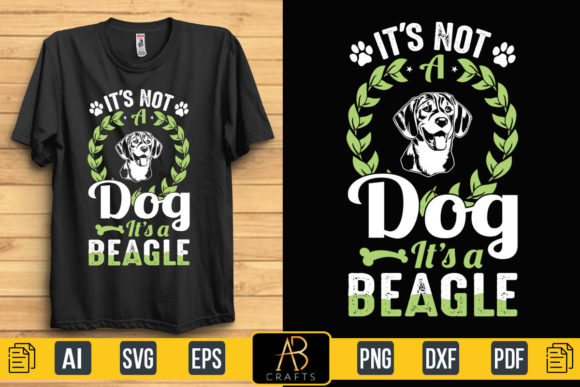
Reviewing the Beagle Quote for Embroidery
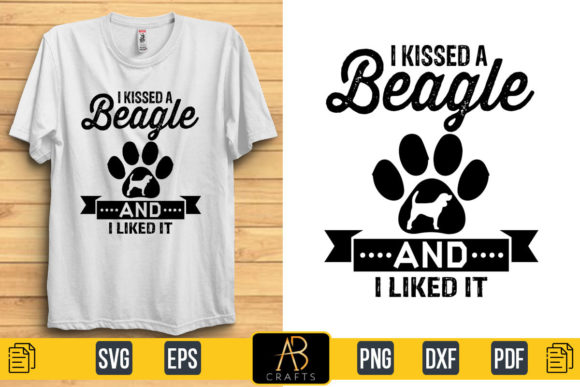
As a designer who has spent years digitizing and reviewing machine embroidery design files, I have learned that typography is often trickier than it looks. A phrase might read well on a screen, but its success depends entirely on how it translates to thread and fabric. Recently, I evaluated a specific piece of digital art titled I Kissed a Beagle and I Liked It Quote. This item falls under the category of Print Templates and is classified as Graphics, which immediately signals that it requires careful preparation before it can be used in a hoop.
The first impression of this design is one of playful affection. The mood is lighthearted, targeting dog lovers with a sense of humor. Visually, the layout relies on typographic hierarchy to convey the message. For an embroidery project, this means we are dealing primarily with lettering rather than complex pictorial elements. The visual personality is casual and friendly, making it a natural fit for personalized gifts and custom apparel. However, because the source material is described as a "typography t-shirt design vector," we must approach it with the mindset of a converter, not just a user. We are taking a graphic intended for print and adapting it for stitch.
Real-World Application and Project Fit
To truly understand the value of I Kissed a Beagle and I Liked It Quote, I imagined placing it on several common items. The most obvious candidate is a tote bag. A canvas tote provides a stable, flat surface that handles text-based designs beautifully. The contrast between the rugged texture of canvas and the clean lines of typography creates a sophisticated, handmade product appeal. For an Etsy seller or small shop owner, this combination offers high perceived value with relatively low production time.
Another strong contender is sweatshirt embroidery. Here, the design serves as a statement piece on the chest or back. The humorous nature of the quote encourages engagement; it is a conversation starter. When worn, it signals the owner’s personality. For baby embroidery, however, caution is required. While the sentiment is sweet, the length of the phrase might be too large for infant garments unless scaled down significantly. If used on a baby onesie, it would likely need to be simplified or split across multiple lines to maintain readability without overwhelming the small garment.
I also considered its use on kitchen towels and aprons. In a domestic setting, this design adds a touch of whimsy. It works well as holiday embroidery for dog-loving families or as a unique housewarming gift. The key here is context. The design does not scream "luxury brand," but it excels in the "charming handmade" niche. It fits perfectly into the inventory of a craft business focused on pet lovers.
Technical Considerations for Stitching
Since I Kissed a Beagle and I Liked It Quote originates as a vector graphic for print, it is not inherently an embroidery file. This is a critical distinction for any embroidery designer. You cannot simply load a SVG or AI file into most home embroidery machines without digitizing it first. If you are purchasing this as part of a bundle of design assets, you must confirm whether it includes a pre-digitized DST, PES, or JEF file. If it does not, you will need to digitize it yourself or hire a professional.
When digitizing or adjusting this typography for embroidery, stitch density becomes paramount. Long sentences can become dense blobs of thread if not managed correctly. I recommend using a combination of running stitch for outlines and light fill stitch for larger letters, avoiding heavy satin stitch columns unless the letters are very narrow. Satin stitches over long distances are prone to snagging and can look uneven on textured fabrics.
Fabric choice plays a massive role in the final outcome. On thin fabric, such as a lightweight t-shirt, the tension of the stitching can cause puckering. Using a cut-away stabilizer is non-negotiable here. For textured fabrics like towels or fleece, the small details of the typography might get lost. In these cases, increasing the size of the design or simplifying the font weight ensures that the message remains legible. Dark fabric presents another challenge; you must ensure high contrast in your thread colors. A dark thread on a dark shirt will render the quote invisible, defeating the purpose of the design.
Navigating Limitations and Hoop Sizes
One of the primary constraints with phrase-based designs is hoop size. A standard 4x4 inch hoop may not accommodate the full width of I Kissed a Beagle and I Liked It Quote without reducing the text to an unreadable size. For a 5x7 or 6x10 hoop, the design has room to breathe. If you are working with curved surfaces like caps, the distortion caused by the curve can warp the text. I advise against placing long horizontal phrases on the front panel of a cap unless you arc the text digitally to compensate for the curvature.
Small details and tiny lettering are also risky. If the original vector uses a thin, delicate font, it may not translate well to thread. Threads have thickness; they cannot replicate the precision of a printed line. If the design includes intricate serifs or tight kerning, these areas may merge during stitching. Always inspect the design at 100% zoom in your digitizing software. If the gaps between letters are smaller than the width of your needle, you will encounter thread breaks and poor coverage.
Enhancing Visual Appeal and Brand Consistency
For commercial embroidery projects, consistency is key. If you are building a brand around pet-themed merchandise, I Kissed a Beagle and I Liked It Quote can be a staple item. However, it must align with your overall aesthetic. If your brand is minimalist, ensure the font choice is clean and modern. If your brand is rustic, a hand-lettered style might work better. The design affects customer trust; sloppy stitching on a complex phrase looks unprofessional, while crisp, well-balanced text elevates the perceived quality of the finished product.
To maximize buyer engagement, consider how the design looks in printable mockups. Before stitching a single thread, create digital previews showing the quote on various items. This helps customers visualize the end result and reduces return rates. For an embroidered patch, this design could be framed with a border to contain the stitches and provide a clean edge. Patches are versatile; they can be ironed onto jackets, bags, or hats, expanding the utility of the design beyond direct garment embroidery.
Practical Designer Notes for Success
Before committing to a full production run, always test the design on scrap fabric. Use the same type of fabric and stabilizer you intend to use for the final product. Check the thread color contrast under different lighting conditions. Test it in black and white mockups to ensure the shape of the letters holds up without relying on color for definition. Compare the design on both light and dark fabric backgrounds to verify versatility.
Crucially, confirm licensing before selling finished items or digital products. The description mentions it is a "t-shirt design vector," which often implies personal use only unless a commercial license is purchased. As a responsible craft business owner, you must respect intellectual property rights. Verify if the creator allows for the sale of physical goods made with the design. If you are creating a digital embroidery file from this vector, ensure you have the rights to distribute the digitized version.
In conclusion, I Kissed a Beagle and I Liked It Quote is a charming addition to any pet-loving collection. Its success lies not just in the words, but in the execution. By paying attention to stitch density, fabric choice, and proper stabilization, you can transform a simple graphic into a cherished handmade product. Whether for a small shop product or a personalized gift, this design offers plenty of potential for those willing to put in the technical effort.