Reviewing the 4th July SVG 16, 1776 Happy Independence Design
As an embroidery designer who has spent years digitizing and testing files for real-world application, I approach every new machine embroidery design with a critical eye. It is not enough for a graphic to look good on a screen; it must translate flawlessly into thread. Recently, I evaluated the 4th July SVG 16, 1776 Happy Independence file to determine its viability for commercial and personal projects. This review breaks down how this specific asset performs when moved from digital Graphics to tangible, stitched reality.
First Impressions and Visual Personality
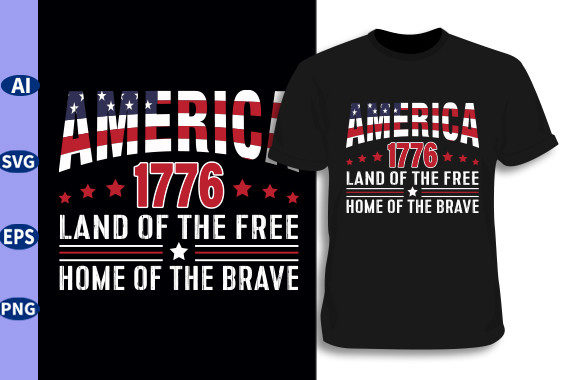
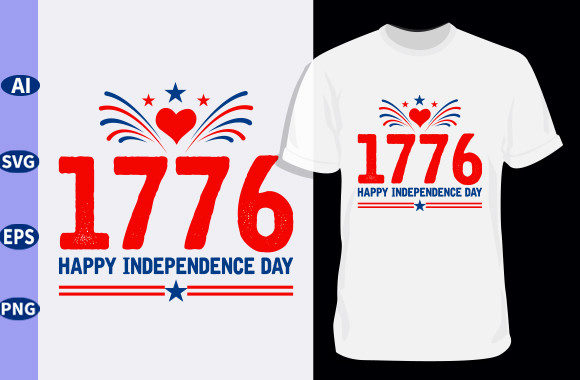
The initial appeal of the 4th July SVG 16, 1776 Happy Independence lies in its thematic clarity. Independence Day designs often suffer from clutter, trying to cram too many stars, stripes, and eagles into a small space. However, this particular layout feels balanced. The typography suggests a bold, celebratory mood, while the numerical emphasis on "1776" anchors the design in historical significance. For a designer, this means the visual hierarchy is already established, which simplifies the decision-making process regarding thread placement and color selection.
When viewing the source files, including the editable AI and EPS formats compatible with Adobe Illustrator CS6, I noticed clean vector lines. This is crucial. Clean vectors allow for precise resizing without losing definition, a key requirement when adapting a design for different hoop size constraints. The inclusion of a print-ready PNG with a transparent background also offers immediate utility for creating printable mockup previews, which are essential for online sales platforms.
Real-World Application: From Screen to Stitch
To truly test the 4th July SVG 16, 1776 Happy Independence, I simulated its use on several common substrates. My primary test case was a custom tote bag. Tote bags are popular handmade product items, especially around holidays. The design’s width fit comfortably within a standard 5x7 hoop, allowing for a prominent display on the bag’s front panel. The bold nature of the text ensured that even from a distance, the message was legible. This legibility is vital for Etsy seller success, as customers often browse quickly and need to grasp the product’s theme instantly.
I also considered this design for sweatshirt embroidery. Here, the texture of the fabric plays a significant role. On a fleece or heavy cotton blend, the design holds up well, provided the digitizer (or you, if you are converting the SVG) accounts for the nap of the fabric. The fill stitch areas would need to be dense enough to cover the fabric texture but not so dense that they cause puckering. For a personalized gift like a family reunion shirt or a patriotic party outfit, this design offers a classic look that does not feel overly trendy, ensuring it remains relevant for future seasons.
Considerations for Small Hoops and Delicate Fabrics
While the design is robust, it requires careful handling when scaled down. If you intend to use this on baby embroidery projects, such as a onesie or a burp cloth, you must reduce the size significantly. In these smaller iterations, fine details can get lost. I recommend checking the stitch density closely. If the original SVG is converted to an embroidery file without proper adjustment, small serifs on the letters might become thick blobs of thread. Using a running stitch for finer details or simplifying the font weight in Illustrator before digitizing can mitigate this issue.
Furthermore, when working with stretchy fabrics like jersey knits for custom apparel, stabilization is non-negotiable. The 4th July SVG 16, 1776 Happy Independence design, with its solid lettering, has the potential to pull on lightweight fabrics if not properly supported. A cut-away stabilizer is advisable for garments that will undergo frequent washing, ensuring the finished product maintains its shape and professional appearance over time.
Technical Workflow and File Versatility
One of the strengths of this package is the variety of file formats provided. Receiving the SVG, AI, EPS, and PNG files means you are not locked into a single workflow. For those who do not own expensive digitizing software, the SVG can be imported into many modern cutting machines or basic embroidery software that accepts vector inputs. The AI and EPS files are particularly valuable for designers who wish to modify the layout. Perhaps you want to add a name below the "1776" text or integrate an applique design element behind the text. Having the editable vector source makes these customizations straightforward.
However, a word of caution: an SVG is not an embroidery file. It is a vector graphic. To stitch this out, you must digitize it or use auto-digitizing features with care. Auto-digitizing often results in poor stitch paths, excessive jump stitches, and inefficient thread usage. For a professional commercial embroidery result, manual digitizing is preferred. Pay attention to underlay stitches, which anchor the top threads to the fabric. Proper underlay prevents shifting and ensures the thread colors sit vibrantly on the surface.
Color Strategy and Contrast
The success of any patriotic design relies heavily on color contrast. The 4th July SVG 16, 1776 Happy Independence design naturally lends itself to red, white, and blue palettes. However, do not limit yourself to tradition. Testing the design in black and white mockups can reveal issues with contrast that color might hide. If you are stitching on dark fabric, consider using a lighter thread color or adding a satin stitch border to make the design pop. Conversely, on light fabrics, ensure your dark threads are dense enough to prevent the fabric from showing through the stitches.
For T-Shirt Designs, where the fabric is thin, high-density stitching can feel stiff and uncomfortable against the skin. In such cases, consider using a lighter fill or breaking up large solid areas with strategic running stitches. This improves the hand feel of the embroidered patch or direct stitch, making the garment more wearable and appealing to buyers who prioritize comfort.
Commercial Viability and Brand Consistency
For small shop product creators, consistency is key. The 4th July SVG 16, 1776 Happy Independence fits well within a broader catalog of holiday-themed items. Its classic style allows it to pair easily with other Americana motifs, such as stars, flags, or eagles, creating a cohesive collection for your store. When listing this item, use high-quality photos that show the texture of the stitches. Buyers of handmade goods appreciate seeing the craftsmanship. Highlighting the quality of the stitch work builds trust and justifies a higher price point.
Before selling, always verify the licensing terms associated with the digital embroidery file. While the product description mentions the file types, it is essential to confirm whether the license allows for unlimited commercial sales of finished physical items. Most designers allow this, but restrictions may apply to reselling the digital file itself. Respecting intellectual property rights is fundamental to maintaining a reputable craft business.
Final Verdict for Designers and Makers
The 4th July SVG 16, 1776 Happy Independence is a versatile and visually strong asset for any designer’s library. It bridges the gap between traditional patriotic symbolism and modern design cleanliness. Whether you are creating holiday embroidery for a local craft fair, producing custom apparel for a corporate event, or making personalized gifts for friends and family, this design offers a solid foundation. By paying attention to stabilizer choice, stitch density, and fabric compatibility, you can transform this digital graphic into a high-quality, tactile product that resonates with customers. Remember to test on scrap fabric first, refine your digitizing settings, and let the quality of your craftsmanship shine through every stitch.