Reviewing I Can Go Gym T Shirt Design for Real Embroidery Projects
As an embroidery designer who has spent years digitizing patterns and testing them on everything from stiff denim to slippery athletic wear, I approach every new machine embroidery design with a critical eye. It is not enough for a graphic to look good on a screen; it must translate seamlessly into thread, tension, and texture. Recently, I evaluated the I Can Go Gym T Shirt Design, a piece listed under Graphic Templates and Graphics, to determine its viability for real-world application. My goal was not just to admire the aesthetic but to understand how it behaves under the needle, how it appeals to customers, and where it fits best in a commercial or personal portfolio.
First Impressions: Mood and Visual Personality
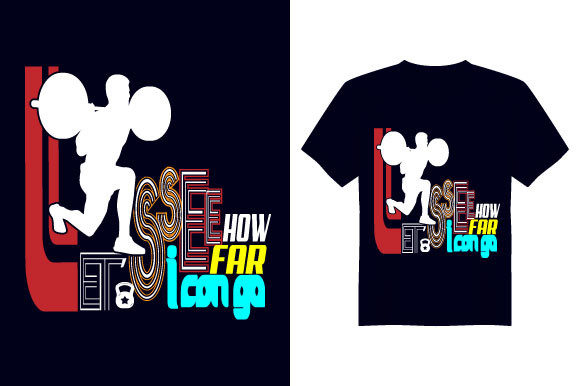
The first thing that strikes you about the I Can Go Gym T Shirt Design is its confident, playful attitude. The typography and layout suggest a blend of motivation and humor, which is a powerful combination in the current activewear market. Visually, the design feels balanced. It does not rely on overly intricate details that might get lost in translation, nor is it so sparse that it lacks impact. For an embroidery project, this middle ground is often where the most reliable results are found. The visual personality is energetic yet clean, making it suitable for a wide demographic, from serious fitness enthusiasts to casual gym-goers who appreciate a lighthearted touch.
When I imagine this design stitched out, I see it working best with bold, high-contrast thread colors. The shapes appear solid enough to handle standard fill stitches without becoming too dense, which is crucial for maintaining the softness of the fabric. This initial assessment suggests that the design is versatile, capable of standing out on both light and dark backgrounds depending on the thread palette chosen.
Real-World Application: From Sweatshirts to Tote Bags
To truly test the potential of any design, I mentally place it on various substrates. For the I Can Go Gym T Shirt Design, the most obvious candidate is custom apparel. Imagine this stitched onto a high-quality cotton sweatshirt. The texture of the fleece provides a sturdy base for the stitches, allowing the design to pop without sinking into the fabric. It would make an excellent centerpiece for a boutique’s new line of motivational wear.
Beyond apparel, I see strong potential for this design in accessory markets. A canvas tote bag featuring this embroidery could become a staple for gym bags or beach trips. The durability of canvas pairs well with the likely stitch density of such a graphic, ensuring the design withstands frequent use. Additionally, consider the personalized gift market. A baby onesie or a toddler’s t-shirt with a scaled-down version of this design could appeal to parents who want to instill healthy habits early, provided the scale is adjusted appropriately for smaller garments.
For Etsy sellers and small shop owners, this design offers flexibility. It can be used for embroidered patches, which are currently trending. By stitching the design onto a twill backing and cutting it out, you create a versatile asset that customers can iron or sew onto jackets, caps, or backpacks. This expands the product range without requiring new digitization work.
Technical Considerations and Stitching Clarity
While the aesthetic appeal is strong, practical execution requires attention to detail. One of the primary concerns with any text-based or graphic-heavy design is stitch density. If the I Can Go Gym T Shirt Design uses heavy fill stitches in close proximity, it can cause puckering, especially on thinner fabrics like performance tees. As a reviewer, I advise checking the stitch count and density settings in your embroidery software before running the final piece. Using a proper stabilizer is non-negotiable here. For stretchy athletic fabrics, a cut-away stabilizer will provide the necessary support to prevent distortion after washing.
Thread color contrast is another critical factor. To ensure readability, avoid using thread colors that blend too closely with the fabric. For example, stitching white thread on a light gray heather shirt may result in poor visibility. Instead, opt for vibrant hues that complement the brand identity or the recipient’s preferences. Testing the design in black and white mockups can help you assess the contrast and clarity before committing to expensive threads.
Challenges with Specific Fabrics and Hoop Sizes
There are scenarios where caution is warranted. If you plan to use this design on curved surfaces like caps, you must ensure the design fits within the usable hoop area and that the curvature does not distort the lettering. Caps require specialized techniques and often benefit from simpler, bolder designs. Similarly, if the design includes tiny details or thin lines, these may not stitch out cleanly on textured fabrics like terry cloth or waffle knit. In such cases, simplifying the design or increasing the stitch width might be necessary.
Dark fabrics present their own challenges. If the design relies on light-colored threads, you may need to use an underlay or a backing patch to prevent the fabric color from showing through. This is particularly important for maintaining a professional finish in commercial embroidery projects. Always test on scrap fabric first to identify any issues with thread breaks, nesting, or registration.
Enhancing Brand Value and Customer Trust
From a business perspective, the quality of your embroidery directly impacts customer trust. A well-executed I Can Go Gym T Shirt Design signals professionalism and attention to detail. When customers receive a handmade product that looks crisp and durable, they are more likely to leave positive reviews and return for future purchases. This design, with its clear message and appealing layout, can enhance brand consistency if used across multiple product lines, such as matching sets of towels, aprons, and shirts.
For digital product sellers, offering this as part of a bundle or as a standalone digital embroidery file can attract hobbyists looking for ready-to-stitch projects. However, it is essential to clarify licensing terms. Buyers need to know whether they can use the finished products for commercial sale or if the license is restricted to personal use. Clear communication builds confidence and reduces disputes.
Practical Notes for Designers and Makers
Before integrating the I Can Go Gym T Shirt Design into your workflow, consider these practical steps:
- Test on Scrap Fabric: Always run a test stitch-out on the same type of fabric you intend to use for the final product. This helps identify tension issues and density problems.
- Check Thread Color Contrast: Ensure the chosen threads stand out against the fabric background for maximum readability.
- Review Stitch Density: Adjust density if necessary to prevent puckering, especially on lightweight or stretchy materials.
- Confirm Hoop Size: Verify that the design fits comfortably within your machine’s hoop size without requiring re-hooping.
- Inspect Small Details: Zoom in on the design to check for tiny elements that may not stitch well and simplify if needed.
- Use Proper Stabilizer: Select the right stabilizer for the fabric type to ensure a smooth, professional finish.
- Verify Licensing: Confirm the license terms provided by the creator, stshahariarsifa, to ensure compliance for commercial or personal use.
In conclusion, the I Can Go Gym T Shirt Design offers a promising blend of style and functionality. With careful attention to technical details and fabric selection, it can elevate a variety of embroidery projects, from custom apparel to personalized gifts. By approaching this design with a practitioner’s mindset, you can unlock its full potential and create products that resonate with customers and stand the test of time.