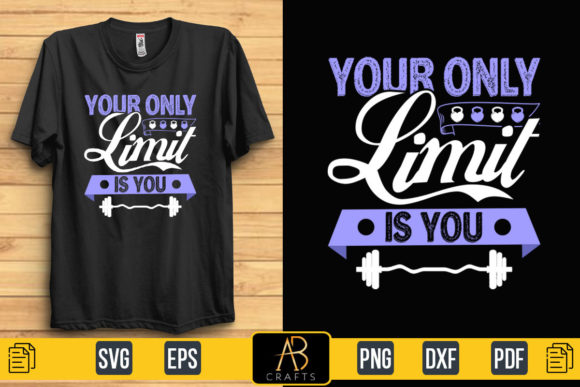
Review: About Your Only Limit is You Quote T
As a designer who has spent countless hours digitizing and stitching out typography for clients, I have learned that not all vector art translates well to thread. When I first pulled up About Your Only Limit is You Quote T, my immediate reaction was one of cautious optimism. The phrase itself carries a weight of empowerment, making it an ideal candidate for motivational apparel and personalized gifts. However, the transition from a flat Print Templates graphic to a textured, three-dimensional embroidery piece requires a critical eye. This review breaks down how this design performs in real-world scenarios, offering practical insights for embroidery designers, Etsy sellers, and craft business owners looking to elevate their product offerings.
First Impressions and Visual Personality
The core appeal of About Your Only Limit is You Quote T lies in its typographic balance. It is not just text; it is a statement piece. The layout suggests a modern, clean aesthetic that relies heavily on legibility. For embroidery, this is both a blessing and a challenge. Bold, clear lines tend to stitch out beautifully, creating a crisp finish that customers appreciate. Upon closer inspection, the design feels versatile. It does not scream "trendy" in a way that will date quickly, which is crucial for small shop products that need longevity in their catalog. The mood is professional yet approachable, fitting seamlessly into boutique branding or as a standalone feature on custom apparel.
When evaluating this as part of your design assets, consider the negative space. Typography designs live or die by the spacing between letters. In this case, the structure appears robust enough to handle the slight expansion that occurs when thread is pulled through fabric. This makes it a strong contender for various applications, from sturdy tote bags to softer sweatshirt materials.
Real-World Application: The Custom Sweatshirt Scenario
To truly test the viability of About Your Only Limit is You Quote T, I imagined a specific project: a high-end, custom embroidered crewneck sweatshirt for a local fitness coach. The goal was to create a piece of custom apparel that felt premium and durable. Here, the design shines. Placed centrally on the chest or subtly on the left breast, the quote acts as a daily reminder for the wearer.
In this scenario, the thread colors become pivotal. I visualized using a matte polyester thread on a heather grey fleece. The contrast needed to be sharp but not jarring. A dark charcoal thread on light grey fabric would provide excellent readability without looking like a uniform. The design’s simplicity allows the texture of the fleece to complement the stitches rather than compete with them. For an Etsy seller, this type of product has high perceived value. It moves beyond a simple commodity and becomes a personalized gift with emotional resonance.
Another viable application is the tote bag design. Canvas fabrics are forgiving and hold stitches well. Using About Your Only Limit is You Quote T on a natural cotton tote creates a chic, minimalist accessory. It appeals to students, professionals, and eco-conscious shoppers. The durability of the embroidery ensures that the message remains intact through frequent washing, a key selling point for everyday items.
Technical Considerations for Stitching Success
While the design is visually appealing, technical execution is where many beginners stumble. Since About Your Only Limit is You Quote T is primarily typography, you must pay close attention to stitch density. If the original file is a vector intended for printing, it may not have the necessary underlay or pull compensation for embroidery. Before running it on your machine, you must verify if it is a true machine embroidery design or if it requires digitizing.
If you are working with a pre-digitized embroidery file, check the stitch types. Large areas of text often benefit from a combination of satin stitch for smaller letters and fill stitch for larger, bolder characters. Satin stitches provide a shiny, smooth finish but can snag if too long. Fill stitches are more durable but can look bulky if the density is too high. For this design, I recommend testing on scrap fabric first. Look for puckering, which indicates excessive tension or density. Adjusting your stabilizer choice is equally important. A cut-away stabilizer is generally safer for stretchy fabrics like sweatshirts, while a tear-away might suffice for stable cottons.
Be mindful of hoop size. Ensure the design fits comfortably within your hoop without touching the edges, which can cause distortion. If you are attempting this on a curved surface like a cap, the design may need to be arched or simplified to prevent warping. Small details and tiny lettering can get lost in the fabric texture, so always inspect the smallest elements at 100% zoom before stitching.
Navigating Fabric and Color Challenges
Not every fabric is created equal. When using About Your Only Limit is You Quote T on thin fabric or delicate materials, there is a risk of the stitches pulling the material out of shape. In such cases, using a lightweight fusible interfacing alongside your stabilizer can provide the necessary support. For dark fabric, contrast is your best friend. A light-colored thread on black navy or deep green creates a striking visual impact. However, avoid using white thread on pure white fabric unless you want a subtle, tonal effect, as it may disappear under certain lighting conditions.
Textured fabrics like terry cloth or waffle knit require a different approach. The loops of the fabric can obscure fine details. For these materials, consider increasing the stitch width slightly or choosing a bolder version of the font if available. This ensures the message remains legible and the finished product looks professional rather than messy.
Commercial Viability and Brand Consistency
For commercial embroidery projects, consistency is key. If you are producing batches of items for a client, About Your Only Limit is You Quote T offers a reliable template. Its clean lines allow for quick production times, assuming the digitizing is optimized. This efficiency translates to better profit margins for your craft business. Moreover, the motivational nature of the quote aligns well with brands focused on wellness, education, and personal development.
When listing this item on your online store, use high-quality printable mockup images to show potential buyers how the design looks on different garments. Show it on a baby embroidery onesie for a soft, inspirational gift, or on a rugged apron for a chef’s present. Demonstrating versatility helps customers visualize the product in their own lives, increasing buyer engagement and trust.
Final Verdict and Designer Notes
In conclusion, About Your Only Limit is You Quote T is a strong addition to any designer’s library, provided it is handled with technical care. It bridges the gap between modern graphic design and traditional craftsmanship. To ensure success, always confirm the licensing terms before selling digital embroidery file derivatives or finished goods. Check if the file format matches your machine’s requirements, whether it is PES, DST, or another standard.
- Test First: Always stitch a sample on similar fabric to check tension and density.
- Contrast Matters: Choose thread colors that stand out against the fabric background.
- Stabilize Properly: Use the right stabilizer for the fabric weight and stretch.
- Check Details: Inspect small letters for clarity and adjust stitch width if necessary.
- Verify Licensing: Ensure you have the right to use the design for commercial sales.
By respecting the technical nuances of embroidery and leveraging the emotional power of the quote, you can create handmade products that resonate with customers. Whether you are decorating a holiday embroidery gift or building a catalog for your small shop product line, this design offers the flexibility and impact needed to succeed in today’s competitive market.