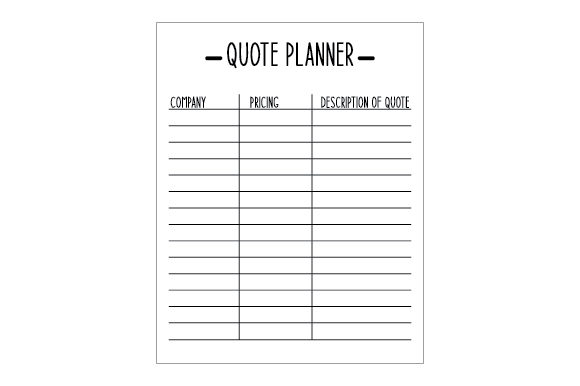
Quote Planner: A Designer’s Real-World Review
As an embroidery designer who has spent years digitizing patterns and testing them on everything from flimsy rayon to heavy denim, I have learned that not all designs are created equal. Some look stunning on a screen but turn into a tangled mess of thread under the needle. Others are workhorses—reliable, clean, and versatile. Recently, I took a close look at Quote Planner, a design available through Designs Amp in the Crafts category, to see if it holds up in real-world production environments. This is not just a visual inspection; this is a practical evaluation for those of us who stitch for a living or run serious craft businesses.
First Impressions and Visual Personality
When I first opened the files for Quote Planner, my immediate reaction was one of appreciation for its clarity. In the world of machine embroidery design, legibility is king, especially when text or structured layouts are involved. The design possesses a clean, modern aesthetic that avoids unnecessary clutter. It does not rely on overly complex fill stitches that might pucker lightweight fabrics, nor does it use such sparse running stitches that the background fabric shows through awkwardly.
The mood it creates is professional yet approachable. It feels organized, which is fitting given the name. For an Etsy seller or a boutique owner, this visual personality is crucial. You want a design that communicates reliability and style without shouting. The layout suggests a balance between decorative appeal and functional readability, making it a strong candidate for products where the message matters as much as the decoration.
Real-World Application: The Custom Tote Test
To truly evaluate Quote Planner, I imagined a common scenario for small shop owners: creating a line of custom embroidered tote bags for a local farmer’s market or a corporate client. Tote bags are typically made from canvas or cotton twill, fabrics that can be unforgiving if the stitch density is too high or the stabilization is poor.
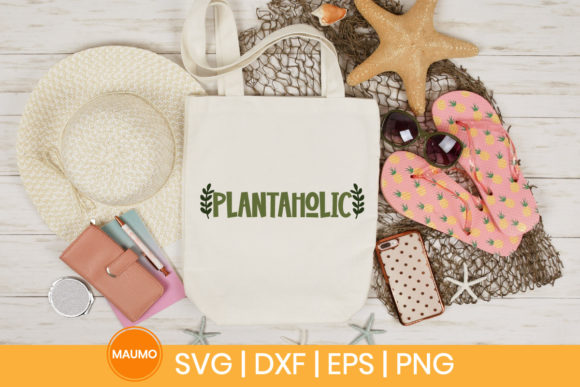
In this context, the design performs admirably. Because the lines appear well-defined, the risk of thread breakage on thick seams is minimized, provided you hoop correctly. I envision this looking crisp on a natural-colored canvas tote, perhaps using a contrasting thread color like navy or forest green to make the quote pop. The transparency of the PNG file included in the package allows for easy mockup creation, letting you show clients exactly how the finished product will look before you even thread your machine. This saves time and reduces the back-and-forth often seen in custom apparel orders.
Versatility Across Product Lines
Beyond totes, Quote Planner shows promise in several other areas. For sweatshirt embroidery, the design’s structure should hold up well against the fuzzy texture of fleece or French terry, assuming you use a cutaway stabilizer to prevent distortion. It could also serve as a charming addition to baby embroidery projects, such as bibs or onesies, provided you scale it down appropriately and use soft, skin-safe threads.
For holiday embroidery, such as personalized aprons for Christmas gifts or kitchen towels for housewarmings, the design’s clean lines offer a timeless look that won’t feel dated next year. This longevity is vital for craft business items that need to remain relevant across seasons. Whether you are creating a patch for a cap or a decorative accent on a pillow cover, the adaptability of this digital embroidery file is a significant asset.
Technical Considerations and Potential Pitfalls
While Quote Planner is robust, no design is universal. There are specific situations where you need to proceed with caution. If you are working with stretchy fabrics like jersey knits for t-shirts, you must be mindful of hoop size and stabilizer choice. A design that is too dense can cause the fabric to pucker or warp, ruining the handmade presentation.
Additionally, if you plan to use this on dark fabric, consider the thread colors carefully. Lighter threads may require a higher stitch count or an underlay to ensure full coverage, which can increase the stiffness of the finished product. For curved surfaces like caps, ensure that the design elements do not extend beyond the safe stitching area of your cap frame. Tiny lettering or detailed corners, if present in the specific variation you choose, should be inspected closely. If the details are too fine, they may not stitch out cleanly on lower-end machines or with thicker threads.
It is also worth noting that while the design comes in SVG, Transparent PNG, EPS, and DXF formats, these are primarily vector and image formats. For direct machine embroidery, you will likely need to convert these into your machine’s native format (such as PES, DST, or JEF) using your preferred digitizing software, unless a specific embroidery file format was also provided in the bundle. Always confirm the file types compatible with your machine before purchasing or starting a project.
Impact on Brand Value and Customer Trust
Using a well-executed design like Quote Planner directly impacts your brand consistency. When customers receive a personalized gift or a custom apparel item that looks professional, their trust in your craft business grows. Sloppy stitching or illegible designs can damage your reputation, but clean, crisp embroidery encourages repeat business and positive reviews.
For digital product sellers, having access to high-quality assets like the Transparent PNG allows for better printable mockups and social media previews. This enhances buyer engagement, as customers can visualize the end result more clearly. In the competitive landscape of Etsy listings, presentation is half the battle. A design that translates well from screen to stitch gives you a distinct advantage.
Practical Notes for the Embroidery Designer
Before you commit to a large batch of commercial embroidery projects, follow these practical steps:
- Test on Scrap Fabric: Always stitch out a sample on the same type of fabric you intend to use for the final product. This helps you identify any tension issues or density problems.
- Check Thread Contrast: View your design in black and white to ensure the elements are distinct. If the design disappears in grayscale, it may lack sufficient contrast for certain fabric backgrounds.
- Review Stitch Density: If you are converting the vector files yourself, pay attention to the stitch density. Too dense, and you risk needle cuts; too sparse, and the fabric shows through.
- Confirm Licensing: Before selling finished items or digital products featuring Quote Planner, verify the license terms provided by Designs Amp. Ensure you have the right to use the design for commercial purposes.
- Use Proper Stabilizer: Match your stabilizer to your fabric. Use tear-away for stable wovens and cutaway for knits or stretchy materials to maintain the integrity of the embroidery project.
In conclusion, Quote Planner is a solid addition to your library of design assets. It offers the versatility needed for various handmade products, from baby clothes to boutique merchandise. By understanding its strengths and respecting its limitations, you can create high-quality, professional-looking items that resonate with customers and elevate your craft business.